

Grocery Store Single Origin Coffee Guide for Enthusiasts
Single-origin coffee is defined as coffee sourced entirely from one country, region, or farm, where every flavor in your cup traces directly back to that specific place and its growing conditions. This grocery store single origin coffee guide exists because the coffee aisle has quietly become one of the most interesting shelves in the store, and most shoppers walk past the good stuff without knowing it. The National Coffee Association and Consumer Reports both recognize origin as the primary driver of flavor variation in coffee. Understanding what that means in practice, from reading a label to choosing a brewing method, turns a routine purchase into something worth looking forward to.
How do flavor profiles vary across popular single-origin coffee regions?
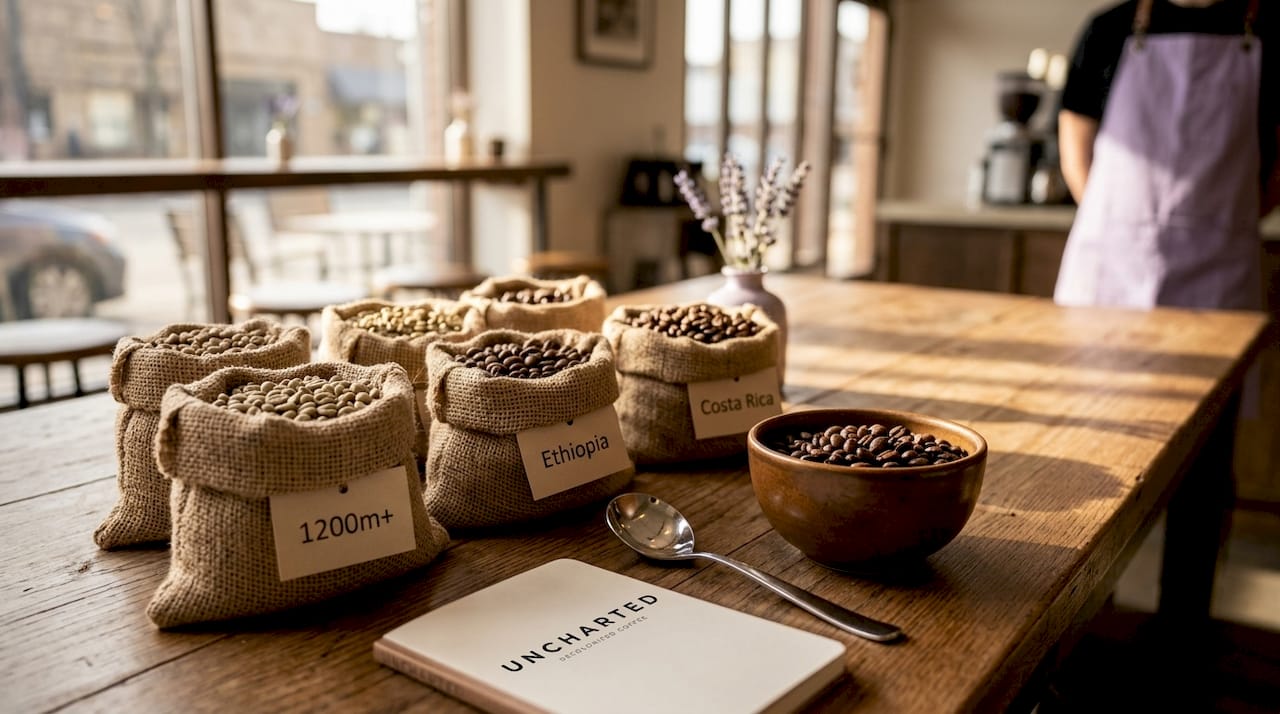
Single-origin coffee flavors are shaped by geography, altitude, soil composition, and seasonal weather patterns, which is why two bags labeled “Ethiopia” can taste noticeably different from one harvest to the next. The National Coffee Association, cited by Consumer Reports, describes Ethiopian coffees as delicate and aromatic, Kenyan coffees as full-bodied and acidic, and Brazilian coffees as nutty with chocolate notes. These are the three origins you will encounter most reliably on grocery store shelves, and knowing their profiles before you buy saves you from expecting berry brightness in a cup that was always going to taste like dark chocolate.
Here is a practical breakdown of what to expect from the five most common origins in grocery store coffee selections:
- Ethiopia: Floral, jasmine, and blueberry notes. Light to medium roast works best. Expect a tea-like body with bright, lingering acidity.
- Kenya: Black currant, tomato, and grapefruit. High acidity with a full, wine-like body. Often labeled as “AA” grade, which refers to bean size, not quality rating.
- Colombia: Caramel, red apple, and mild citrus. Balanced acidity and medium body make it the most approachable origin for new enthusiasts.
- Brazil: Chocolate, hazelnut, and low acidity. Heavy body and sweetness make it a natural fit for espresso and cold brew.
- Costa Rica: Honey, peach, and brown sugar. Bright but not sharp, with a clean finish that rewards pour-over brewing.
Altitude plays a larger role than most shoppers realize. Beans grown above 1,500 meters develop denser cell structures, which translates to more complex sugars and sharper acidity in the cup. A Colombian coffee from the Huila region at 1,800 meters will taste noticeably brighter than one from a lower-altitude farm in the same country. Flavor notes on packaging are probabilistic, not guaranteed, because growing conditions shift seasonally. Treat them as a useful starting point, not a contract.
Pro Tip: When trying a new origin for the first time, brew it as a pour-over or drip coffee before experimenting with espresso. These methods preserve the origin’s natural character without adding the pressure variables that espresso introduces.
What should you look for on a single-origin coffee label?
Reading a grocery store coffee label correctly separates a satisfying purchase from a disappointing one. The most important detail is bean variety: arabica beans offer smoother, sweeter flavors and cost more to produce, while robusta beans are harsher, more bitter, and typically used in mass-market blends. Any bag worth buying at the single-origin price point should state arabica clearly. If it does not, that omission is itself informative.
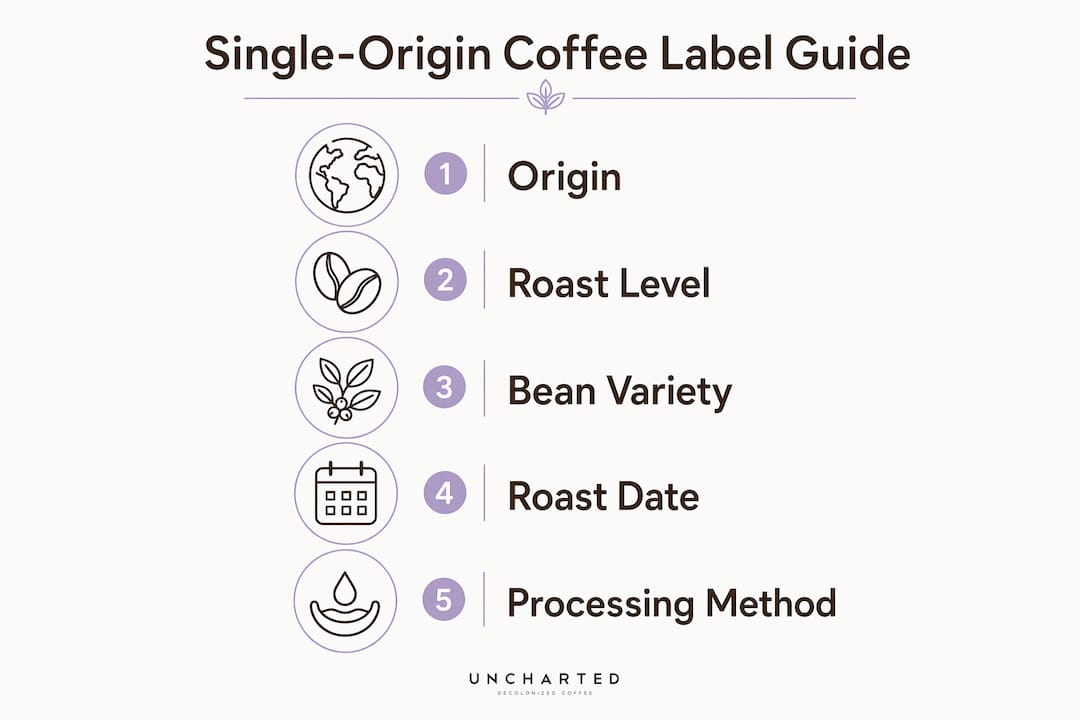
Roast level is the second factor to check, and it interacts directly with origin flavor. Light and medium roasts preserve the origin’s natural character, including its acidity, fruit notes, and floral aromas. Dark roasts push those qualities aside in favor of roast-driven flavors like smoke, char, and bittersweet chocolate. A dark-roasted Ethiopian coffee will taste more like the roasting process than like Ethiopia. This is not inherently wrong, but it defeats the purpose of buying single-origin if flavor transparency is your goal.
The table below compares the key label factors and what each one signals about quality and experience:
| Label factor | What it signals |
|---|---|
| Arabica (stated) | Smoother flavor, higher quality baseline, worth the premium |
| Roast date present | Freshness transparency; look for beans roasted within 4 weeks |
| Light or medium roast | Origin flavors preserved; best for tasting regional character |
| Organic or direct trade | Sourcing accountability; sustainable certifications indicate traceability |
| Whole bean format | Superior freshness over pre-ground; grind just before brewing |
Price is a reliable signal at the grocery store level. Genuine single-origin bags typically cost $15 to $20, and coffee prices have nearly doubled over the past five years. A bag priced below $10 and labeled single-origin is almost certainly a blend or a low-grade lot dressed up with origin language. Paying the premium is reasonable when the label backs it up with a roast date, a named region, and a stated bean variety.
Pro Tip: Whole bean coffee preserves aroma and flavor far better than pre-ground. If your grocery store has a grinder in the coffee aisle, use it right before you check out rather than buying pre-ground bags.
How to select, store, and brew single-origin coffee from grocery stores
The best single-origin coffee you can buy loses most of its character if you store or brew it carelessly. Follow these steps to protect your investment from the moment you pick up the bag to the moment you pour the cup.
-
Check the roast date first. Look for a bag roasted within the past four weeks. A “best by” date tells you almost nothing useful. A roast date tells you everything. Roast date and freshness are as important to flavor clarity as origin itself, and most grocery shoppers skip this step entirely.
-
Choose whole bean over pre-ground. Grinding exposes the coffee’s oils and aromatics to oxygen immediately. Pre-ground coffee sold in grocery stores is often weeks or months past its flavor peak by the time it reaches your cup. A basic burr grinder at home changes the experience completely.
-
Store in an airtight container away from light and heat. The bag’s resealable zipper is not enough for long-term storage. Transfer beans to a ceramic or dark glass container with an airtight seal. Keep it on a counter away from your stove, not in the freezer, where condensation damages the beans each time you open the container.
-
Match your brewing method to the origin’s body. Light, delicate origins like Ethiopia and Costa Rica shine in pour-over methods such as a Hario V60 or Chemex. Full-bodied origins like Kenya and Brazil perform well in a French press or AeroPress. Espresso suits low-acid, chocolatey origins like Brazil or a medium-roasted Colombia.
-
Grind just before brewing, every time. Grinding right before brewing preserves the volatile compounds responsible for aroma and flavor clarity. This single habit delivers more improvement than switching origins or upgrading equipment.
Pro Tip: When you open a new single-origin bag, brew it the same way you always do before experimenting. Controlling your brewing variables lets you actually taste the origin rather than a combination of origin and method changes.
How does single-origin coffee pricing at grocery stores reflect quality?
Grocery store coffee pricing follows a pattern that is worth understanding before you reach the shelf. The table below maps price ranges to what you can realistically expect in terms of quality and sourcing.
| Price range | What to expect |
|---|---|
| Under $10 per bag | Likely a blend or commodity-grade coffee with origin language on the label |
| $10 to $14 per bag | Entry-level single-origin; may lack roast date transparency or named region |
| $15 to $20 per bag | Genuine single-origin range; arabica, roast date present, named region or farm |
| Over $20 per bag | Specialty or micro-lot coffee; expect detailed tasting notes and traceable sourcing |
Stumptown Coffee is one grocery store brand that experts consistently recommend for fresh, balanced single-origin beans that perform across multiple brewing methods. Their Hair Bender blend aside, their single-origin offerings carry roast dates and clear origin labeling. Kirkland Organic Sumatra from Costco represents the value end of the spectrum, offering reliable flavor for cold brew and French press at a price that makes regular rotation practical.
The price-to-quality relationship in single-origin coffee is more linear than in most food categories. Paying $18 instead of $9 genuinely delivers a different cup, not just a different label. The premium reflects higher-altitude farming, more selective harvesting, and the traceability infrastructure that brings a named origin to your shelf. Understanding what specialty coffee means helps you recognize when a price premium is justified and when it is purely marketing.
Key takeaways
Single-origin coffee rewards the shopper who reads labels carefully, prioritizes freshness over price alone, and matches brewing method to origin character.
| Point | Details |
|---|---|
| Origin drives flavor | Ethiopia, Kenya, Colombia, Brazil, and Costa Rica each deliver distinct, predictable flavor profiles. |
| Label reading matters | Check for arabica, roast date, and a named region before buying any single-origin bag. |
| Freshness is non-negotiable | Beans roasted within four weeks and ground just before brewing deliver the clearest origin flavor. |
| Price signals quality | Genuine single-origin coffee at grocery stores costs $15 to $20 per bag; below that, scrutinize the label. |
| Brew method shapes experience | Light origins suit pour-over; full-bodied origins suit French press or AeroPress. |
What I’ve learned from years of buying single-origin coffee at grocery stores
The most useful shift I made was stopping to treat single-origin coffee as a guaranteed experience and starting to treat it as an experiment with a strong hypothesis. The label tells you the likely flavor direction. Your job is to test it with a consistent brewing method and then adjust from there.
The mistake I see most often is buying a beautiful Ethiopian natural-process coffee, throwing it into a dark-roasted espresso routine, and then concluding that single-origin coffee is overhyped. The origin never got a fair hearing. Controlling your brewing variables when you try a new origin is the only way to actually taste what you paid for.
I have also learned to trust roast date over everything else on the label. A beautifully sourced Kenyan coffee roasted six months ago tastes worse than a modest Colombian roasted two weeks ago. Freshness is the variable most grocery shoppers ignore because it requires reading the fine print, and most bags bury it. Flip the bag over. Find the date. Walk away from anything without one.
Seasonality matters more than most guides acknowledge. Single-origin coffees are agricultural products, and the harvest cycle means your favorite Ethiopian from last spring may taste slightly different this year. That is not a flaw. It is the point. The variation is what makes each bag worth paying attention to.
— Jasmine
Explore single-origin coffee with Uncharted Coffee
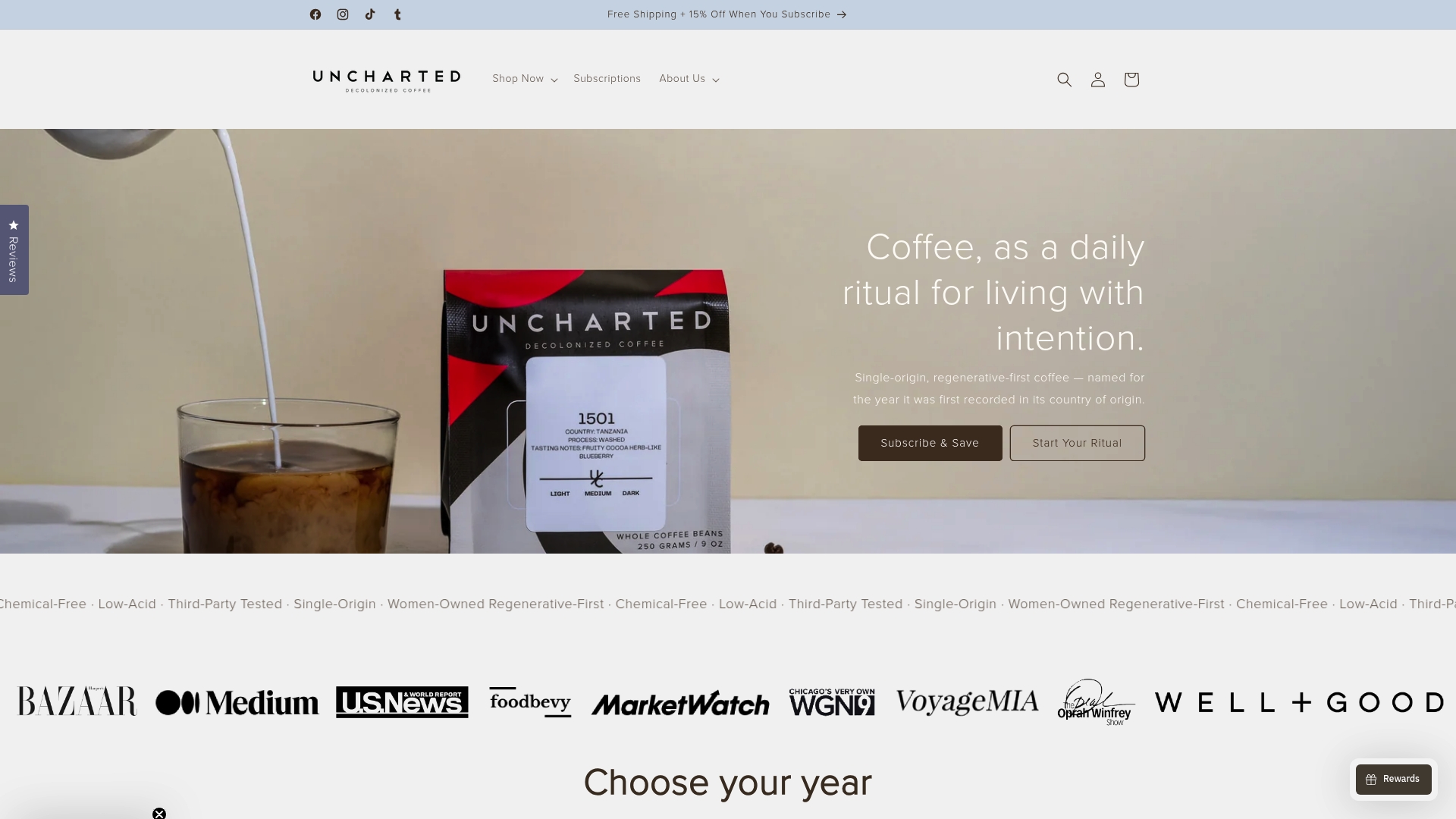
Uncharted Coffee sources single-origin coffees with the same intentionality this guide describes: traceable origins, transparent roast dates, and sourcing practices built around regenerative farming and direct relationships with growers. Every bag is designed to make your morning ritual worth showing up for, not just getting through. If you want to put this guide into practice with coffee that actually backs up its label, explore Uncharted Coffee’s offerings and find an origin that matches the flavor profile you are chasing. The shelf is curated so you do not have to decode it alone.
FAQ
What is single-origin coffee?
Single-origin coffee is sourced entirely from one country, region, or farm, meaning all the flavor in the cup comes from that specific place and its growing conditions. This contrasts with blends, which combine beans from multiple origins to create a consistent, averaged flavor.
How do I know if a grocery store coffee is truly single-origin?
Look for a named country or region on the label, a stated arabica bean variety, and a visible roast date. Bags that use vague language like “exotic blend” or omit a roast date are rarely genuine single-origin offerings.
What is the best brewing method for single-origin coffee?
Pour-over methods like a Hario V60 or Chemex work best for light, delicate origins like Ethiopia and Costa Rica, while French press and AeroPress suit full-bodied origins like Kenya and Brazil. Matching the method to the origin’s body and acidity level preserves the most flavor clarity.
Why does single-origin coffee cost more at the grocery store?
Genuine single-origin coffee typically costs $15 to $20 per bag because it requires selective harvesting, traceability infrastructure, and often higher-altitude farming that produces lower yields. The premium reflects real sourcing costs, not just marketing.
Can flavor notes on the bag be trusted?
Flavor notes are probabilistic, not guaranteed, because growing conditions shift seasonally and roast execution varies. Use them as a directional guide rather than a precise prediction, and treat your first brew of any new origin as a baseline to build from.
Recommended
- What Is Specialty Coffee Explained for True Enthusiasts – Uncharted Coffee Supply
- Bean Origin’s Role in Espresso Flavor Explained – Uncharted Coffee Supply
- Espresso Extraction Explained for Serious Coffee Lovers – Uncharted Coffee Supply
- What Is Sustainable Coffee Explained for Daily Drinkers – Uncharted Coffee Supply