

What Is Specialty Coffee Explained for True Enthusiasts
Most people assume specialty coffee is just a premium marketing label slapped on expensive bags at the grocery store. It isn’t. What is specialty coffee explained properly comes down to a rigorous, science-backed grading system, traceable origins, and a supply chain built on relationships rather than commodity logic. As of 2026, 58% of Americans have consumed specialty coffee in the past week, yet the majority couldn’t explain what makes it different. This article fixes that, covering the grading standards, origin factors, brewing realities, and sustainability story behind every exceptional cup.
Table of Contents
- Key takeaways
- What is specialty coffee explained through the SCA grading system
- How origins and farming create what specialty coffee tastes like
- Brewing methods and how they affect specialty coffee’s flavors
- Specialty coffee’s role in sustainability and ethical sourcing
- My honest take on what specialty coffee really means
- Experience specialty coffee the way it was meant to be
- FAQ
Key takeaways
| Point | Details |
|---|---|
| Score above 80 to qualify | Specialty coffee must score 80 or higher on the SCA’s 100-point scale to earn its designation. |
| Origin shapes the flavor | Altitude, climate, soil, and processing method directly determine a coffee’s unique taste profile. |
| Brewing variables matter | Grind size, water temperature, and ratio can mask or reveal origin characteristics in the cup. |
| Ethics underpin quality | Direct trade relationships between producers and roasters support fair pricing and regenerative farming. |
| Specialty is lot-specific | Even certified specialty farms produce batches that vary, so lot awareness keeps your expectations grounded. |
What is specialty coffee explained through the SCA grading system
The word “specialty” in coffee has a precise, protected meaning. It is not shorthand for artisanal, small-batch, or anything else a marketing team invented. The Specialty Coffee Association (SCA) defines specialty coffee as any coffee that scores 80 points or above on a standardized 100-point evaluation scale. Anything below that threshold is classified as commercial or commodity coffee, regardless of how elegant the packaging looks.
The scoring system evaluates ten distinct attributes, each worth up to 10 points:
- Fragrance/Aroma: The scent of the dry grounds and the wet coffee after brewing
- Flavor: The primary taste impression combining taste and aroma together
- Aftertaste: The length and quality of positive flavor sensations after swallowing
- Acidity: The liveliness or brightness that gives a coffee its character
- Body: The tactile sensation of weight and texture in the mouth
- Balance: How all the other attributes work together without any single one dominating
- Uniformity: Consistency across five separate cups evaluated in the same session
- Clean cup: The absence of off-flavors from the first sip to the last
- Sweetness: A smooth, sweet sensation indicating well-ripened fruit at harvest
- Overall: A holistic assessment reflecting the evaluator’s personal appreciation
This evaluation is conducted by certified professionals called Q-graders. Q-graders pass an intensive, multi-day exam administered by the Coffee Quality Institute, covering sensory analysis, grading protocols, and green coffee assessment. Their role removes subjectivity from what could otherwise be a purely personal judgment.
Defects deserve special attention because they can disqualify a coffee quietly. A single fault across five evaluated cups can drag a coffee below the 80-point specialty threshold, even if the flavor attributes are excellent. Defects fall into two categories: taints, which are minor off-notes that reduce quality, and faults, which are more severe contamination or fermentation failures.
Pro Tip: When buying specialty coffee, look for the cupping score on the bag or the roaster’s website. A score between 80 and 84 indicates a good specialty coffee. Scores from 85 to 89 represent excellent quality. Anything above 90 is considered outstanding and extremely rare, representing less than 0.05% of all coffee produced.
| Score Range | Classification |
|---|---|
| 90 to 100 | Outstanding specialty coffee |
| 85 to 89 | Excellent specialty coffee |
| 80 to 84 | Good specialty coffee |
| Below 80 | Commercial or commodity grade |
One more layer worth knowing: the SCA is now developing a Coffee Value Assessment (CVA) framework that separates physical, descriptive, and affective evaluations. This broader framework recognizes that a single number cannot fully capture a coffee’s complete value, including its story, provenance, and the experience it creates for the drinker.
How origins and farming create what specialty coffee tastes like
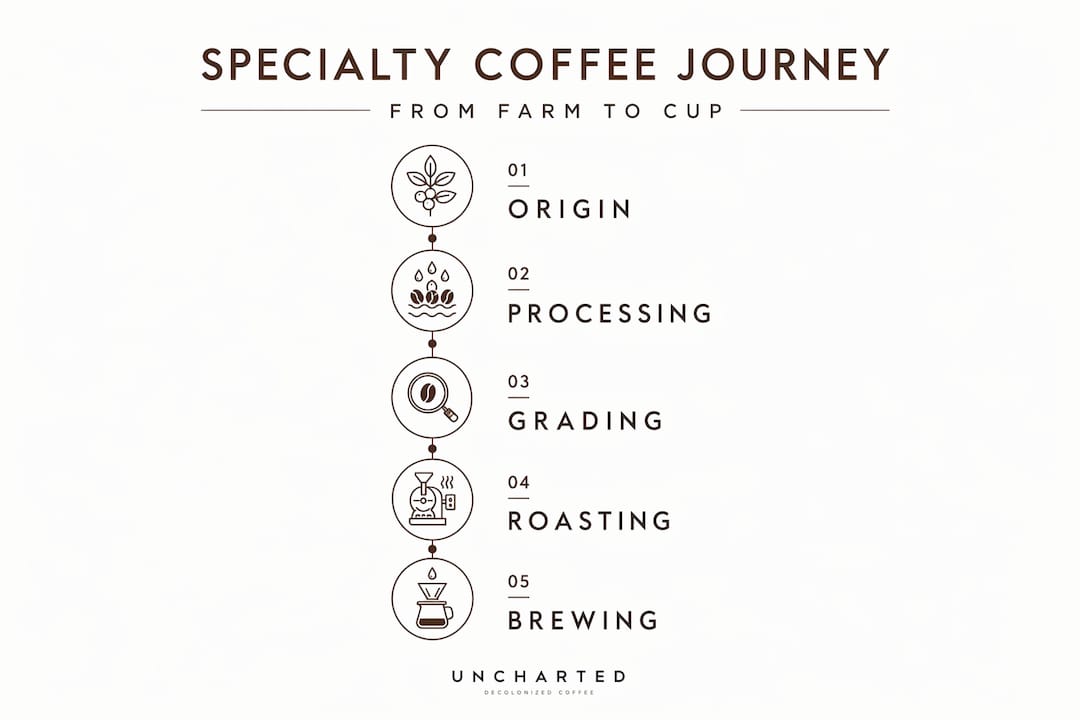
The score a coffee earns starts long before any Q-grader picks up a spoon. It begins in the soil. Geographic origin factors including altitude, rainfall patterns, temperature variation, and soil mineral content create the foundation for a coffee’s flavor potential. Ethiopian coffees grown above 1,800 meters often carry vivid floral and berry notes. Colombian coffees from different valleys within the same country can taste entirely unlike each other because the microclimates vary so dramatically.
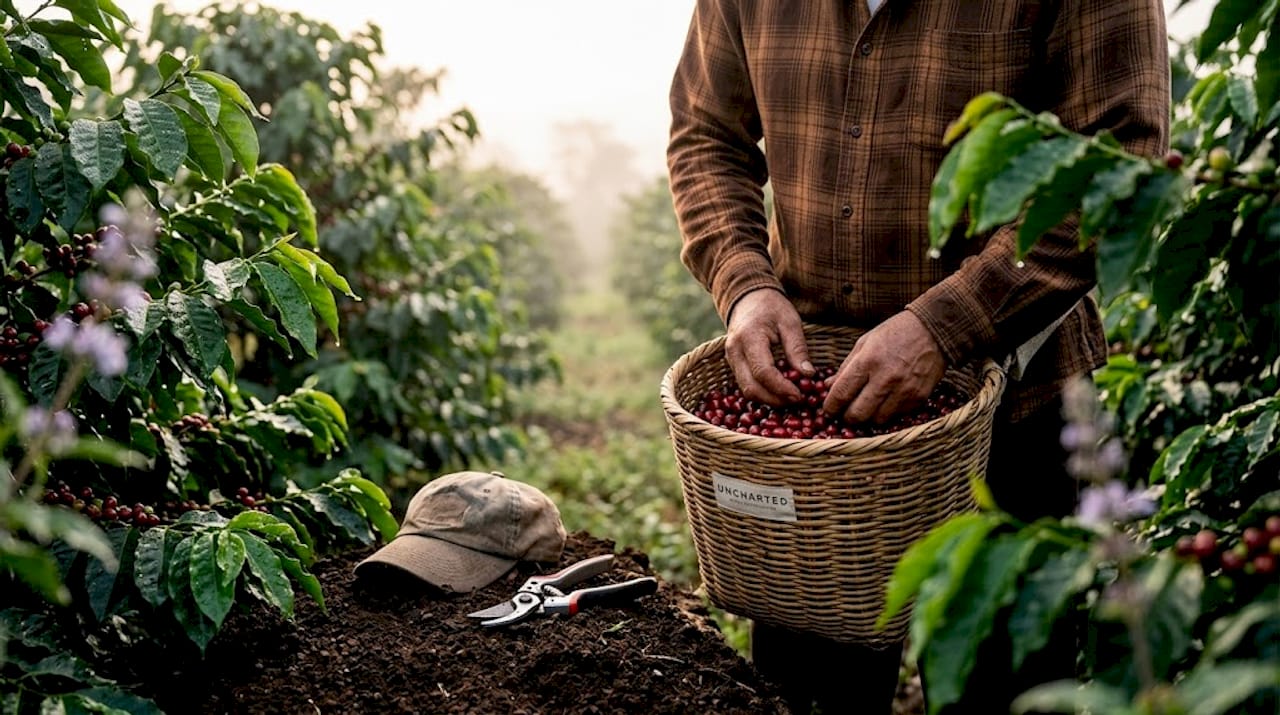
Traceability is what separates specialty coffee from commodity coffee at the origin level. Commodity coffee is blended across farms, regions, and sometimes countries to reach a standardized, anonymous flavor. Specialty coffee, by contrast, is traceable to a specific farm, cooperative, or even a particular processing lot. That traceability is not just marketing. It allows roasters to communicate directly with producers, identify what worked in a harvest, and replicate quality across seasons.
Harvesting practice matters just as much as geography. Specialty coffee producers selectively hand-pick only ripe cherries, often making multiple passes through the same tree as different cherries reach peak ripeness. Commodity operations strip-pick entire branches at once, mixing unripe and overripe fruit. That mixture of ripeness levels makes it nearly impossible to achieve a clean, consistent cup.
Processing methods are where a lot of the flavor magic actually happens:
- Washed (wet) process: The fruit is removed before drying, resulting in a cleaner, brighter cup that emphasizes the coffee’s terroir and acidity.
- Natural (dry) process: The whole cherry dries with the fruit intact, imparting heavier body, fruit-forward sweetness, and sometimes wine-like complexity.
- Honey process: A middle path where some fruit mucilage is left on the bean during drying, balancing sweetness with clarity.
The food provenance principle applies here perfectly. When you know exactly where something came from and how it was handled, the story becomes part of the experience. A washed Yirgacheffe from Ethiopia and a natural Sidama from the same country can feel like completely different beverages because of those choices made on the farm.
Brewing methods and how they affect specialty coffee’s flavors
Understanding specialty coffee grading is only half the picture. You can buy the highest-scoring bean in the world and destroy what makes it special within three minutes of brewing. Brewing variables including water temperature, grind size, and coffee-to-water ratio dramatically shape what ends up in your cup, often more than the bean’s origin characteristics.
Here is a practical breakdown of the most popular specialty brewing methods and what each one does:
- Pour-over (V60, Chemex): Uses controlled water flow and a paper filter to produce a clean, transparent cup that highlights delicate floral and fruit notes. Ideal for high-scoring washed coffees where clarity matters.
- Espresso: Concentrated extraction under pressure creates intensity and body but compresses flavor complexity into a short window. Works best with well-developed medium to medium-dark roasts.
- French press: Full immersion brewing with a metal filter retains oils and creates a heavy, textured body. Origin subtleties are less pronounced, but the mouthfeel experience is rich.
- Cold brew: Extended cold extraction over 12 to 24 hours produces a smooth, low-acid concentrate. Specialty cold brew options highlight chocolate, caramel, and stone fruit notes that heat can sometimes obscure.
One of the most common mistakes curious coffee drinkers make is comparing two different coffees brewed under different conditions and concluding one is better. That comparison is almost always misleading. A great Ethiopian single-origin brewed with 93°C water will taste radically different from the same bean brewed at 85°C. The origin is the same. The perceived quality is not.
Pro Tip: When trying to understand origin differences between two specialty coffees, brew them identically. Same grinder, same grind setting, same water temperature, same ratio. Even small differences in brewing variables mask what the origin actually contributes to flavor.
Specialty coffee’s role in sustainability and ethical sourcing
Specialty coffee and sustainability are not separate conversations. They are the same conversation. The economics work differently than most people expect. Because specialty coffee commands a price premium based on quality, producers who invest in better farming practices, selective harvesting, and careful processing are actually rewarded financially. In commodity markets, extra care at the farm level rarely translates into better prices. In specialty markets, it often does.
Relational coordination between importers, roasters, and producers strengthens the entire specialty coffee value chain. When buyers commit to returning to the same farm year after year, they build the kind of trust that allows both parties to solve problems together. A roaster who discovers a processing defect during cupping can communicate that finding back to the producer before the next harvest, instead of simply switching suppliers.
The benefits of that relational model extend beyond pricing:
- Producers gain the stability to invest in equipment, training, and farm infrastructure without fearing their buyers will disappear for a cheaper option.
- Roasters gain access to consistent quality and unique flavor profiles that set their offering apart.
- Consumers gain a traceable, meaningful product rather than an anonymous commodity.
- The environment benefits when producers are economically viable, because financially stressed farms are far more likely to resort to short-term, extractive agricultural practices.
“Specialty coffee grew from a desire to treat coffee as a high-quality, traceable product rather than a commodity, with an emphasis on producer relationships sustaining quality and ethics.”
Only about 5 to 10% of all coffee grown worldwide meets specialty grade standards. That scarcity is not accidental. It reflects the difficulty of producing coffee at the level where every variable, from seed selection to shipping, is treated with genuine care. The farms doing that work deserve a supply chain that honors it.
My honest take on what specialty coffee really means
I have spent enough time in the specialty coffee world to know that the score on a bag tells you only a fraction of the story. What I’ve learned is that the most meaningful cups I’ve encountered came from producers and roasters who were in an actual relationship with each other, not just a transaction.
The conventional focus on numbers alone misses something. A coffee that scores 84 and comes from a farm where three generations of a family have refined their processing methods carries something that a technically superior but anonymously sourced 87-pointer doesn’t. I’m not suggesting you ignore the score. It matters. But I’ve found that the context upstream of the cup shapes the experience downstream in ways that are hard to quantify.
What I’d encourage any coffee enthusiast to do is start asking where. Where was this grown? What elevation? What processing method? When you connect those questions to the flavors in your cup, something shifts. You stop drinking a beverage and start reading a place. That transition is what specialty coffee at its best actually offers. The Uncharted Coffee mission resonates with me precisely because it names that shift as the point.
— Jasmine
Experience specialty coffee the way it was meant to be
If this article has changed how you see your morning cup, the next step is tasting the difference yourself. Uncharted Coffee sources specialty-grade coffee with the same values this article describes: full traceability, direct relationships with producers, and a commitment to regenerative sourcing that goes beyond certification checkboxes. Whether you’re drawn to the smooth depth of their specialty cold brew, the ritual of a single-origin pour-over, or exploring their specialty decaf options, every product is built around the belief that what you drink should reflect how you want to live. Explore the full range at Uncharted Coffee and find the cup that fits your practice.
FAQ
What is the specialty coffee definition?
Specialty coffee is coffee that scores 80 points or above on the Specialty Coffee Association’s 100-point scale, evaluated by certified Q-graders across ten quality attributes including flavor, acidity, and cleanliness.
What makes coffee specialty versus regular?
Specialty coffee requires selective harvesting, traceable origins, zero severe defects, and a minimum score of 80 on the SCA scale. Regular commercial coffee is blended, commodity-graded, and prioritizes volume and consistency over individual flavor quality.
How is specialty coffee made differently?
Specialty coffee production involves hand-picking only ripe cherries, careful processing using washed, natural, or honey methods, and rigorous quality control at every stage from farm to export. Each lot is evaluated separately rather than blended into an anonymous commodity batch.
What are the main benefits of specialty coffee?
Beyond superior flavor complexity and traceability, specialty coffee supports fair producer pricing, incentivizes regenerative farming practices, and creates a supply chain where quality is rewarded rather than averaged out.
What is a specialty latte, and is it different from a regular latte?
A specialty latte uses espresso pulled from a coffee that meets SCA specialty standards, meaning the base shot carries distinct flavor characteristics from its origin. A regular latte typically uses commodity-grade espresso where the goal is a neutral, consistent base rather than expressive origin flavors.